
Sustainability
at our core.
Growing food where it is consumed changes the relationship between kitchen and supply chain. We think that matters.
Why proximity changes everything.
A herb harvested in the morning and plated at lunch has not been refrigerated, packaged, loaded onto a truck or stored in a distribution warehouse. That chain of events, repeated daily across every ingredient in a professional kitchen, adds up. Hydroponics does not eliminate all of it. But for herbs and microgreens — high-value, fragile, frequently wasted produce — growing on-site removes most of it.
We are not making claims about carbon accounting. We are describing a straightforward physical reality: shorter distance, fewer steps, less waste.
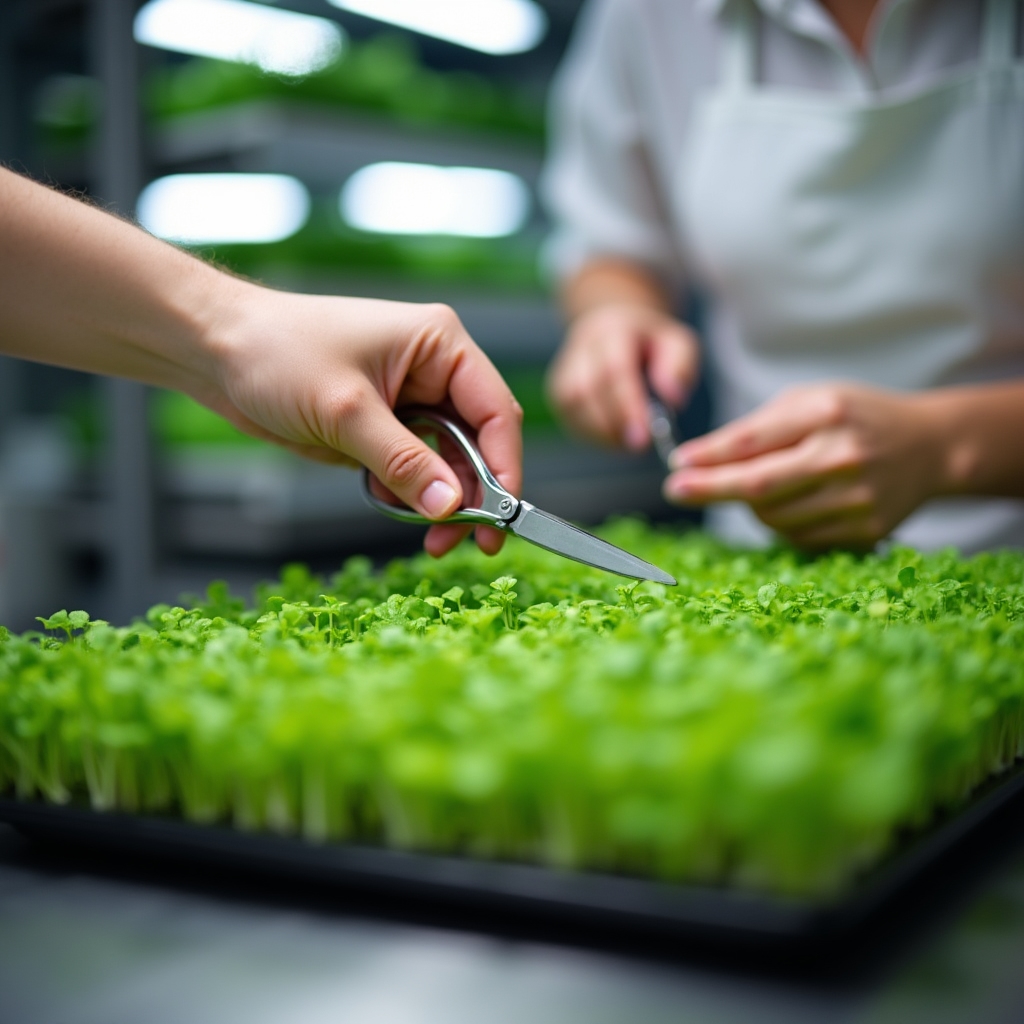
Four areas where hydroponic growing makes a difference.
Water Use
Recirculating nutrient systems return unused water to the reservoir rather than allowing it to drain away. The water that evaporates from leaves is the primary form of loss. For crops like basil and mint, this represents a meaningful reduction compared to soil-grown equivalents.
Transport Distance
Herbs grown in your kitchen travel zero metres to the plate. There is no cold chain, no packaging beyond the growing tray, no delivery vehicle. For restaurants in Warsaw and Kraków sourcing herbs from distant farms, this removes a significant logistical layer.
Food Waste
Herbs are among the most wasted ingredients in professional kitchens. A bunch arrives, a portion is used, the rest wilts before the next service. Hydroponic growing allows harvest-to-order — you take what you need and leave the rest growing. Waste drops sharply.
Soil and Pesticides
Hydroponic systems do not require soil. Pest pressure in a controlled indoor environment is lower than in open fields, which means pesticide use is minimal. We use food-safe nutrient solutions formulated for edible crops.
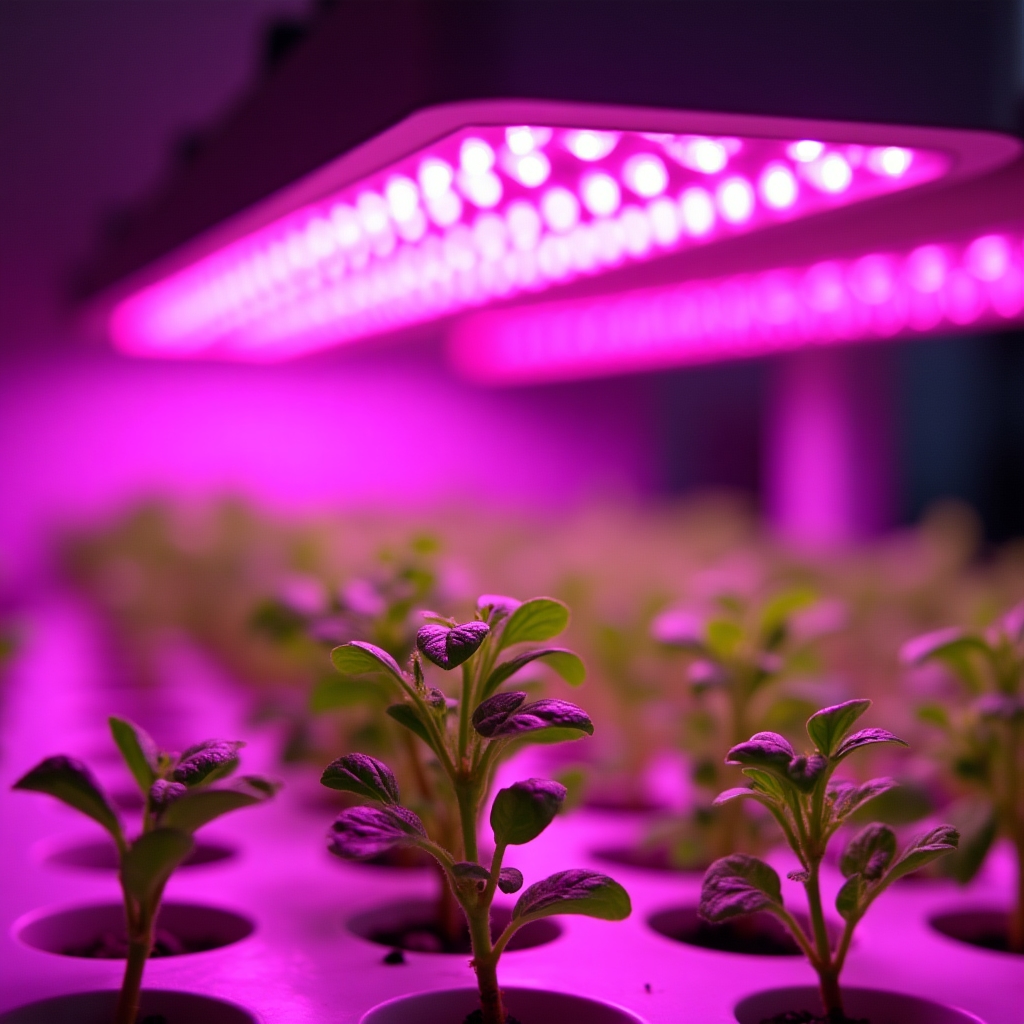
LED lighting: the honest picture.
Indoor growing requires artificial light. That is a real energy cost and we do not minimise it. Our systems use full-spectrum LED arrays chosen for efficiency — they produce the wavelengths plants need without generating excess heat that would require additional cooling.
For most restaurant and hotel installations, the energy draw of a growing rack is comparable to a commercial refrigeration unit. It is an additional load, and clients should factor it in. We provide power consumption data for every system we design so there are no surprises.
The trade-off — energy used for lighting against transport, refrigeration, packaging and waste across the supply chain — is one each client can weigh for themselves.
Materials and longevity.
Our racks are fabricated from powder-coated steel with food-grade polypropylene growing channels. The structural components are designed to last well beyond a single installation cycle. When a client relocates or changes their setup, the rack can be disassembled, reconfigured and reinstalled rather than discarded.
Growing media — typically rockwool or coco coir — is replaced on a scheduled basis. Spent media is composted where possible. Nutrient reservoirs are cleaned and refilled rather than replaced.
We source LED fixtures from manufacturers with documented efficiency ratings. Lamps are replaced on a lifespan schedule rather than waiting for failure, which maintains consistent light output for the plants and avoids the waste of degraded performance.
The automated dosing units we install are serviceable — components can be replaced individually rather than requiring whole-unit replacement when something wears out.
See how a system is set up.
The turnkey setup page walks through the entire process from survey to first harvest.
Turnkey SetupWe're happy to talk through the specifics.
Every installation is different. Get in touch and we'll discuss what makes sense for your space.
Contact Us